
Meet the team
Get to know the students leading the Sociology Club and the faculty behind the Department of Sociology. Tap any person to read their profile.
Get to know the students leading the Sociology Club and the faculty behind the Department of Sociology. Tap any person to read their profile.

President
Degree in progress: M.S. Sociology
Ethnomethodology and ethno-cultural habitus. Learning, and working on projects.
If you've got an idea for a project, reach out and I'll try to help as much as possible. I love building systems and projects.
Raise awareness about sociology, and build a strong foundation for those who will continue leading the club.

Vice President
Degree in progress: M.S. Sociology
My name is Valente Narcizo Jr
Val or Vale (Nickname)
Pronouns: He/ Him/ His
Bachelor’s degree in Psychology and Sociology
Masters in Sociology (in Progress)
My interest is intersectionality I am taking the thesis route and will be doing research relating to machismo and misogyny within the LGBTQ individuals and different cultures within Latinx communities. I would also like to see how social media portrays social norms within those communities and see how that can also affect body images and projection.
I also plan on working on restorative justice and how cancel culture can be useful, but at the same time be harmful.
I enjoy reading (fantasy/utopian/dystopian/youngadult)
I enjoy all kinds of music but amongst all my top ones are
I enjoy art and have recently co-coordinated the art of the mind project with my friend at a clinic with my previous professor.
I enjoy anime as well and have seen a good variety, these are my favorites
I can help mentor you and keep you accountable. In the end I want to provide as much help to those as possible. Feel free to always ask me questions about anything, be curious about the world, life, education, and anything in between. I can help you build connections with sociology club faculty, and will support you any way I can.
My goal is to push our members in the sociology club to think critically about the world around them.
To be a moral support for students of any background or major, it is important that each and every one of you succeed in your own way, and you can count on me to be there for you.
Ultimately, I want to be a professor that supports students growth and helps them build connections that go beyond the classroom. Students are often taught that we just go to school -> get a degree -> and go find a job. We need to be able to have mentor/mentee programs and to support beyond just the classroom settings.
Secretary
Sociology Major · Poli Sci Minor · English Minor
My name is Lesley Lopez (feel free to call me Les, I will turn around) & I am the a Sociology Club Secretary!
Pronouns: She/Her/Hers
Sociology Major
Poli Sci Minor
English Minor
My special interests fall under the political & sociological spectrums, which broadly range anywhere from intersectionality to climate change. I’m incredibly passionate about studying oppressive moments in history, but often gravitate more towards the feminist aspect in all forms. Women’s rights & the fight against toxic masculinity are incredibly important to me as well as advocating for the LGBTQ+ rights & hispanic communities. Given that I’m still an undergrad, I still have yet to make a final decision but I’m excited to continue exploring my options until I decide on the right one for me!
My hobbies are pretty scarce given my busy schedule, but I make the time to hang out with my friends & prioritize my mental health. That can look like:
I am here to help & serve in any way I am able to assist you! Whether you need advice on what class you should take or whether or not you should dump your s/o, I’m always available to chat & help you overcome whatever issue you find yourself facing. You are never alone & I also can help introduce you to Sociology faculty & friends at UTRGV! I genuinely care for the well being of all Sociology students & club members, so please don’t hesitate to reach out (:
I have various goals & mind but first & foremost for me would be to graduate in Spring 2027. I’m on the right track so far, so as of right now it’s all about passing my last few courses! It might go without saying, but I would also love to continue my education past my Bachelor’s degree. Having a Doctorates degree has always been my life’s goal & I’m excited to hold that title in the future.
With the Sociology Club, my goal is to enhance the idea of sociology with hands on experiences & activities that are open to anyone who would like to join. I want to ensure that we are proudly representing UTRGV & setting a positive example for the University altogether. Sociology is about highlighting oppression & conducting research, so I would also like to solidify the fact that Sociology is a science.
While I am still pondering on what my future is going to look like right after graduation, I would love to one day publish research of my own as well as any other written work I end up conducting in future parts of my life. Writing is incredibly dear to me, so having “Published X” on my resume is a definite goal for me as well.
Being a travel researcher is pretty high up on my list of goals & it would be the honor of my life to meet with women from around the world & study how their cultures affect their portrayal as women. The more we bring awareness to oppressive injustices, the closer we are to abolishing it for good.
I would love to work on justice reform & enter the realm of politics to make real change in any way I am able to. Being a professor at some point in my life is also a huge goal of mine to further expand sociological knowledge to those who are engaged in learning about the rights & wrongs of the historical & future world.
Treasurer
Degree in progress
My name is Adela Gonzalez - treasurer
I don't have a nickname name lol
Pronouns: She/her/hers/
Bachelor’s degree in Sociology
Masters in Sociology (in Progress)
My interest is Environmental Research, I am interested in the connection between consumption satisfaction and environmental degradation, focusing on the consequences it has on marginalized communities.
I enjoy drawing, painting, from cartoonish characters to realistic environments
I recently heavily enveloped in magic the gathering tcg favorite sets are bloomsburrow and UV the hobbit
I enjoy cooking for people I love and care about
I like film photography, even though I don't have a way to reveal the photos lol
My goal is to open others to think more consciously about the world we live in, move past the typical doom-talk; show that is not about how we're destroying the environment but about what we can do to help it!
To support you in all your goals and help you succeed within my means
Lastly, I want to educate students to understand that sociology is so much more than "the easy A" we're prone to assume. It revolves around our entire lives within social structures and individual standing
Event Coordinator
Degree in progress: M.S. Sociology
My name is Andrea Sanchez
pronouns She/her
Bachelor’s degree in sociology with a minor in history
masters of science in sociology in progress
Autism research specifically in the youth to adult service transition gap and its consequences
Professional competitive cosplayer , writer ( currently working one a whole 4 series book universe) , lover of the preforming arts especially musicals , history nerd , painter
I love Star Wars , DC comics, sea shanties , the amazing digital circus
I enjoy my art of cosplay and telling a story through costuming
If you need help finding resources for your child for evaluation I’m available to assist you
my goals within the club are making our events wholesome safe and welcoming to all those who attend our events on and off campus and making a positive impact on the UTRGV campus and surrounding community. Outside the club my goal is to eventually go for my phd and become a professor of sociology .
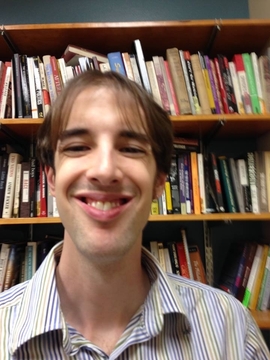
Full Professor
Department of Sociology
Steven Foy is a Professor of Sociology and Co-Director of the Texas Alliance for Research on Sociological Issues lab at the University of Texas Rio Grande Valley. His research focuses on the stigmatization process and its impact on inequality (with particular attention to racial construction, racial attribution, colorism, and mental health). Dr. Foy is the author of Racism in America: A Reference Handbook (one of ten books named a 2021 Outstanding Reference Source by the Reference and User Services Association, a division of the American Library Association), and his articles appear in a variety of journals, such as the American Journal of Sociology, Society and Mental Health, Sociological Spectrum, Socius, The American Sociologist, Psychiatric Quarterly, and the Journal of Attention Disorders. His work has been featured by NPR, NBC News, ESPN, and other news outlets.
What is the most important takeaway you want students to take from the classes you teach?
I want students who take any course with me to leave with an understanding of how all of our decisions are embedded in, shaped by, enabled, and constrained by a structural and institutional context.
In what ways do you see sociology benefiting students who may be in other majors?
Sociology is a diverse discipline spanning a variety of substantive areas and methodological options, meaning that it's well-suited to help you find the best tool to answer the questions that matter most to you. Sociological training can involve learning quantitative methods (from experimental methods to survey methods) or qualitative methods (from focus groups to interviews to ethnographies) and approaching problems at the macro-level, mezzo-level, or micro-level while maintaining an emphasis on societal and group dynamics.
What would you want to say to a student who is interested in research or mentorship from you?
I would encourage students interested in research or mentorship to do the following:
Identify an area of substantive interest that makes you excited. When the going gets tough, caring about what you do is what gets you over the finish line. It can be tempting to pivot to what's in vogue, but you run the risk of burning out that way.
Find community around your substantive interests. Read everything you can in your areas of substantive interest, and develop an understanding of what's been done and what's yet to be done. Then, connect with the people who do the kind of work you want to be doing (including professors here and elsewhere). Collaboration spurs innovation.
Learn how to write a grant, and apply for research funding early and often. We have great opportunities at UTRGV to fund your research, such as ESAA that can help you get your feet wet: Engaged Scholar and Artist Awards | UTRGV. Any research team will value your ability to bring in funding. It's the lifeblood of research.

Associate Professor
Department of Sociology
I’m originally from Poland, and before coming to UTRGV, I lived and studied in Spain. I came to the U.S. thinking I would stay for only one year—and 14 years later, here I am!
My research can be grouped into three main areas: 1) the role of language and translation in field research, 2) language accessibility in emergency communication, and 3) environmental justice in linguistically vulnerable communities. What connects these areas is my interest in how language shapes people’s experiences, access to information, and ability to navigate different social situations and institutions.
What is the most important takeaway you want students to take from the classes you teach?
I want my students to be curious about the world. And to never stop being curious! I want them to ask questions, especially about things that seem obvious or that we take for granted. Sociology gives us tools to explore those questions, but I think the curiosity itself is the most important thing students can take with them.
In what ways do you see sociology benefiting students who may be in other majors?
Sociology is useful for almost any major because you will work with people and be part of communities. It gives you a broader perspective and helps you recognize patterns and contexts that people often miss. I like to think of it as putting together a puzzle: if you look at just one piece, you only see a small part of the picture. Sociology teaches you to step back, connect the different pieces, and see how they fit together. That perspective can be valuable in almost any field and can help you better understand both the people you work with and the world around you.
What would you want to say to a student who is interested in research or mentorship from you?
Reach out! Students sometimes feel intimidated about approaching professors, but they shouldn’t. If you are interested in research, have an idea you would like to explore, send me an email or stop by my office. You do not need to have everything figured out before you approach a professor. That is part of what mentorship is for.
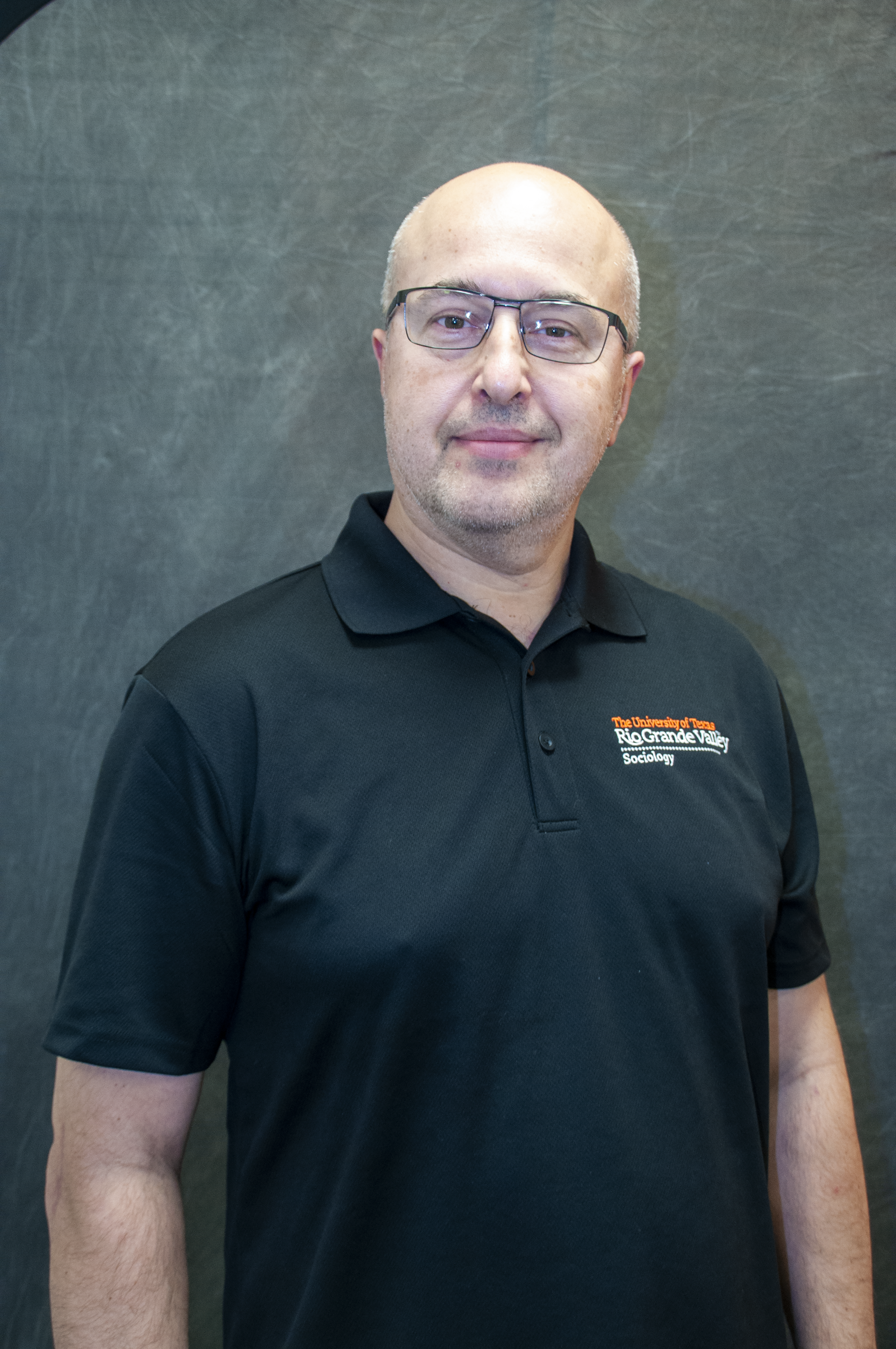
Full Professor
Department of Sociology
Hello everyone,
My name is Igor Ryabov, and I am a professor at UTRGV. My teaching and research focus on understanding how social, economic, and demographic factors shape people's opportunities and outcomes. My recent research examines topics such as migration, housing, and inequality. I enjoy connecting with students from diverse backgrounds and to help them develop the analytical skills needed to succeed in their careers. Outside of teaching and research, I enjoy learning about political demography, political geography, migration, and the ways statistics can help us understand society.
What is the most important takeaway you want students to take from the classes you teach?
The most important lesson I expect students to get is the ability to think critically and evaluate claims using evidence. I want students to understand that social phenomena are shaped by larger social structures. My goal is for students to leave the classroom with strong analytical skills, an appreciation for diverse perspectives, and the confidence to ask questions about the world around them.
In what ways do you see sociology benefiting students who may be in other majors?
Basically, sociology complements any major because it helps students understand how people, social groups, organizations, and communities function. Students pursuing different careers benefit from understanding social stratification, culture, and the role of social institutions. Sociology provides skills that are highly valued by employers and graduate programs. For students considering a second major or minor, sociology provides a broad social perspective that enriches their primary field of study.
What would you want to say to a student who is interested in research or mentorship from you?
I encourage students to be curious and ask questions, even if these are uncomfortable questions. Research is ultimately about learning how to turn interesting questions into systematic investigations. What matters most is being motivated and open-minded. I am always happy to talk with students about research planning, graduate school, and career opportunities. There are many ways one can become more engaged in academic life.
Final Thought
One of the strengths of sociology is that it teaches us to connect individual experiences with larger social forces. These connections can help us become more productive and better informed. I encourage students to take advantage of opportunities to learn not just from us, Sociology faculty, but from one another. Building relationships with your classmates is important for your future career.
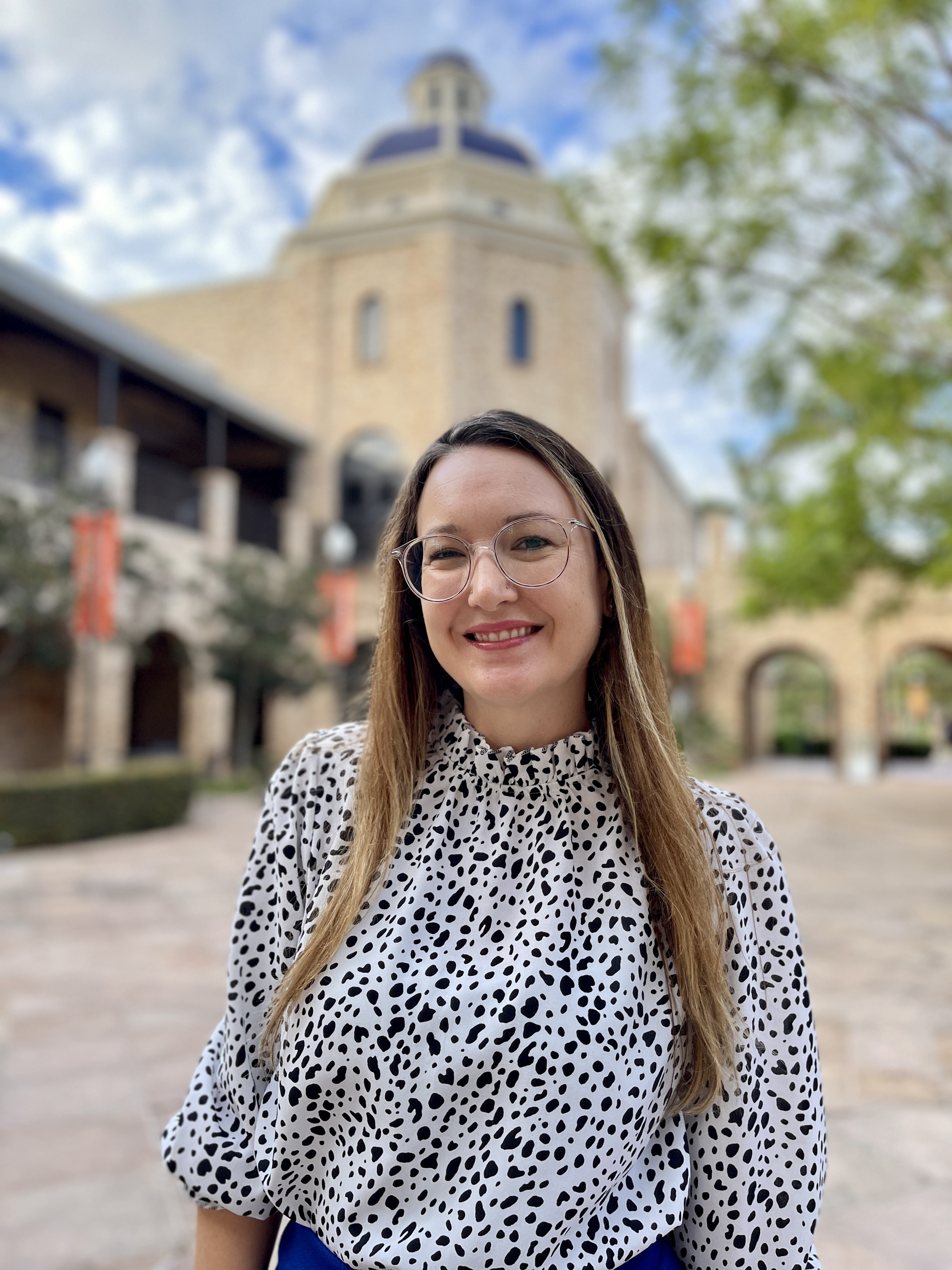
Associate Professor
Department of Sociology
Amie Bostic is an associate professor of sociology, the Graduate Program Coordinator for the Master of Science in Sociology, and Faculty Fellow for Graduate Education in the College of Liberal Arts. She received her PhD in Sociology from Duke University in 2016, MA in Sociology from Duke University in 2013, and her BA in Political Science from the University of North Carolina at Chapel Hill in 2009. Her research centers on the relationship between social policy and poverty, with a focus on policy effectiveness, spatial inequality, and public support for redistribution. This research relies on cross-national and domestic survey data and advanced statistical modeling techniques. Her work has been published in journals such as the American Sociological Review, Annual Review of Sociology, Socius, Population Research and Policy Review, and the Proceedings of the National Academy of Sciences. She grew up on a farm in rural eastern North Carolina and is notorious for her love of cats.
1. What is the most important takeaway you want students to take from the classes you teach?
This can be to any generalized class, or any class you consistently teach, or one you will teach in the future.
Question everything. Take nothing for granted. The answer “that’s just the way it is” is not a sociologically acceptable answer. Use the tools gained in your sociology classes to invoke your sociological imagination!
2. In what ways do you see sociology benefiting students who may be in other majors?
Perhaps this can also be to students who may be considering adding a second major or minor.
Sociology is incredibly useful to students from all majors. We are all members of society. Even hermits have been influenced by society. For those working directly with the public, such as LEOs, social workers, teachers, and medical professionals, sociology is especially useful, but in most jobs whether it is in chemical engineering or computer science, we are part of larger organizations or involved in collaborative works. Sociology can help you understand group dynamics as well as your coworkers as individuals.
3. What would you want to say to a student who is interested in research or mentorship from you?
Read my publications and come by (or schedule a meeting) to talk about them. If you like the work I do, the topic and/or the methodology, and have a similar research question of your own or even a question about my research, that’s an easy in. Professors are niche nerds, and we get really excited when someone is interested in our research and shares research interests with us.
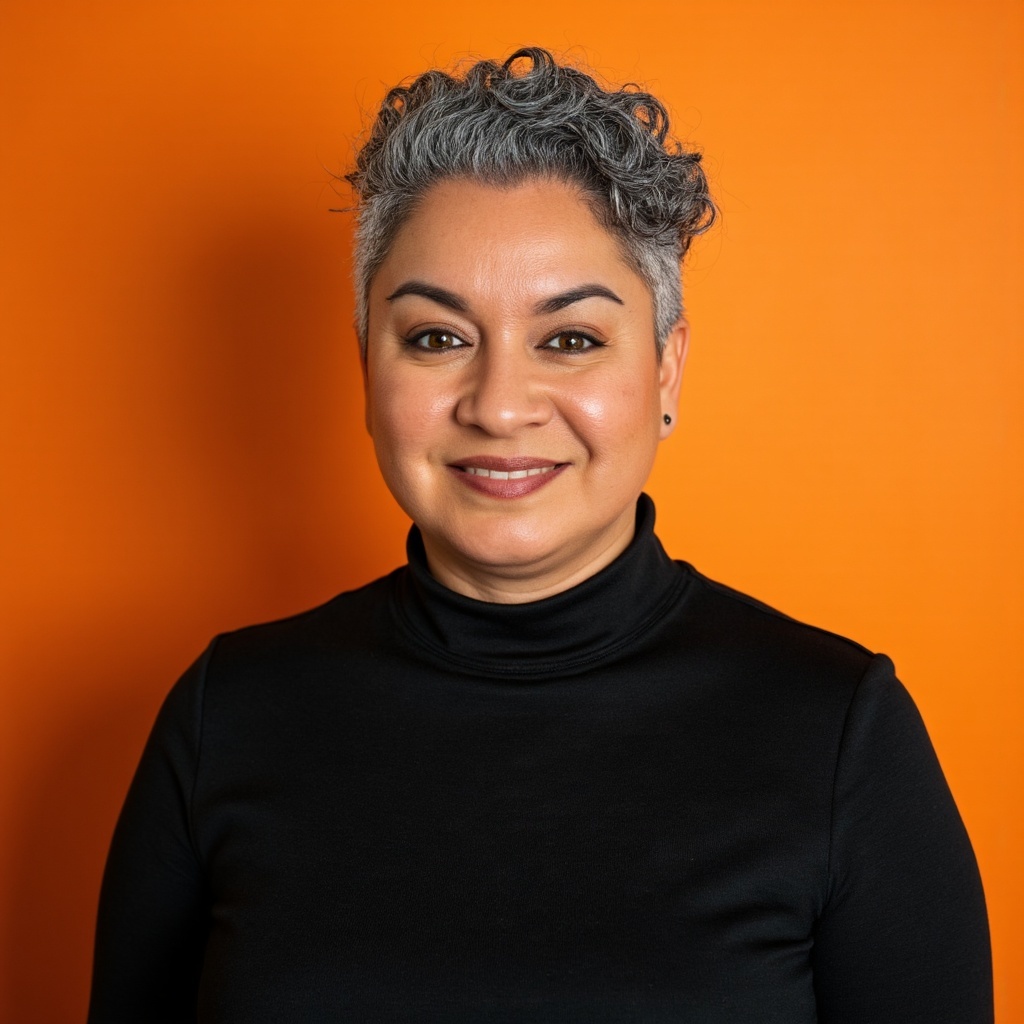
Lecturer III
Department of Sociology
My name is Dr. Leticia Zavala, and I am a sociologist and a certified clinical sociologist. My teaching and research are grounded in the belief that sociology should extend beyond the classroom and help us understand and respond to the challenges facing our communities.
Much of my work focuses on inequality, gender, education, health disparities, public policy, and issues affecting communities along the U.S. Mexico border. I am especially passionate about applied and clinical sociology because it allows me to connect research, teaching, community engagement, and advocacy.
What continues to motivate me as an educator is seeing students recognize that their experiences and communities are worthy of serious academic study. Students bring knowledge into the classroom from their families, cultures, workplaces, and lived experiences. Sociology provides a framework for connecting those experiences to broader questions about society.
One thing I hope students know about me is that my office door, whether physical or virtual, is open. You do not have to already know where you are going academically or professionally before asking for guidance. Sometimes a conversation with a professor, mentor, or classmate can open a path you had never considered.
Ultimately, I hope students see sociology not simply as something they study, but as a way of seeing the world and perhaps of changing it.
What is the most important takeaway you want students to take from the classes you teach?
The most important takeaway I want students to gain from my classes is the ability to see beyond individual experiences and recognize the larger social forces that shape our lives. Sociology teaches us that many of the challenges people experience are not simply the result of individual choices or circumstances. They are often connected to institutions, policies, culture, inequality, and the opportunities available within our communities.
I want students to leave my courses with a stronger sociological imagination, which is the ability to connect their own experiences to broader social patterns. More importantly, I want them to understand that once we recognize how society operates, we can begin thinking critically about how to change it. Whether students pursue sociology professionally or never take another sociology course, I hope they leave my classroom more curious, empathetic, and willing to question why things are the way they are.
In what ways do you see sociology benefiting students who may be in other majors?
Sociology complements almost every field because every profession ultimately involves people, communities, organizations, or institutions. Whether a student is studying healthcare, psychology, education, criminal justice, business, political science, social work, communication, or another discipline, sociology provides tools for understanding how social environments influence human behavior and opportunities.
Sociology also strengthens skills that employers and graduate programs value, including critical thinking, research, data interpretation, communication, cultural awareness, and the ability to examine problems from multiple perspectives.
For students considering a second major or minor, sociology can provide a valuable bridge between their primary field and the communities they hope to serve. It encourages students not only to ask, “What is happening?” but also, “Why is it happening, who is affected, and what can we do about it?”
What would you want to say to a student who is interested in research or mentorship from you?
Reach out. You do not need to have a research question fully developed or know exactly what you want to do before approaching a faculty member.
One of the most rewarding parts of my work is mentoring students as they begin discovering their academic and professional interests. I am particularly interested in working with students who want to use sociology to understand real-world problems and connect research with communities, policy, and social change.
My own approach as a clinical sociologist emphasizes applying sociological knowledge and research to practical social problems. I encourage students to think beyond completing an assignment or earning a degree and begin asking how their education can contribute to their communities and future professions.
Mentorship is also about helping students develop confidence in themselves as scholars and professionals. I am happy to talk with students about research ideas, graduate school, teaching, professional development, community-engaged work, or simply figuring out what direction they want to take next.
Advisor
Department of Sociology
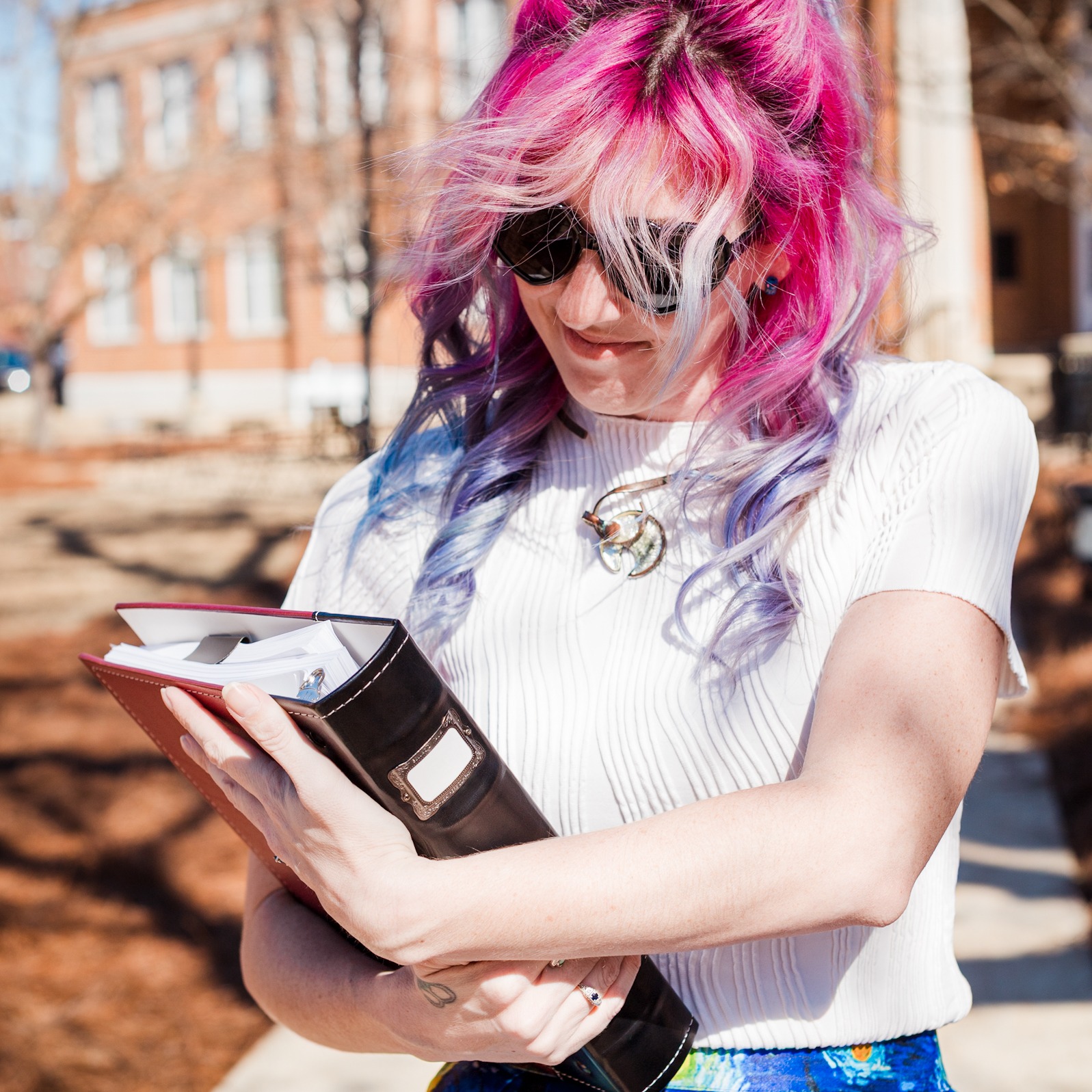
Hi 👋🏻I'm Dr. Heather-Ann Layth and I moved to Brownsville last summer. I can't say enough how happy I am here. I absolutely love the weather, the beach, the birds, the Brownsville campus, but especially I love the students. I have been so impressed by how much students at UTRGV want to be here. How much you want to learn. How you put in the work; even when so many of you have so many other obligations as well. I look forward to seeing that passion and tenacity every semester. Quick facts about me: My favorite color is blue. I'm a first-generation student from New York City. I think 1984 is the best book ever written. I worked at the ACLU before I went to grad school. I love to travel. I'm a resistance scholar who has written about Spartacus and antifascists. I bake really awesome cookies.
Seriously though, I earned my PhD so that I could teach. I want all students I teach to leave my classes eager to take in new information, critically evaluate it, apply it to their lived experiences, and feel empowered to do something about it. Students from all majors may benefit from my Social Movements and Social Protest course (SOCI 4380) as a foundation for creating positive changes in their own fields.
In my Social Theory class (SOCI 4333) the students and I work together to engage the material in a way that hopefully transforms their understanding of the world, and they help me learn and grow as well. This course is beneficial to any student who wishes to use college as an opportunity to think deeply about the big questions of humanity. It is my pedagogical objective for students to apply the wisdom of the ages they learn in this course to their modern experiences.
I am one of the faculty mentors for the student Sociology Club and am always happy to talk with students about post-graduation plans like non-profit work or graduate school. I look forward to seeing you in my class(es)!
Lecturer
Department of Sociology
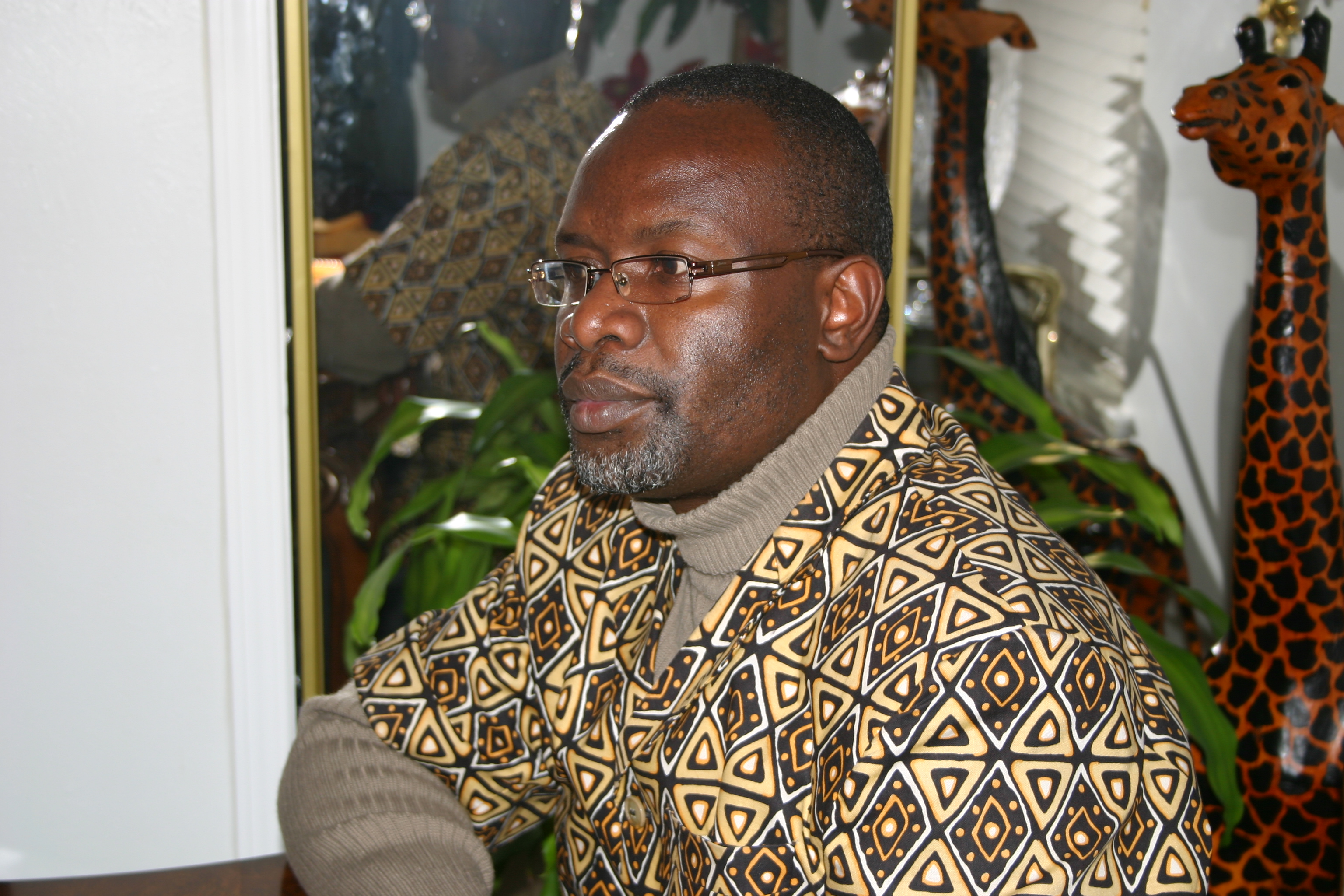
As a lecturer and US Fulbright Scholar with over 20 years' experience of teaching locally and abroad, working with students is like a calling for me.
What is the most important takeaway you want students to take from the classes you teach?
Teaching is more than just content delivery. When I work with my students, I let them know that it's not about the content only but how my interaction with them shapes them as people, human beings. A class is meant to be a safe place where we grow through the social interaction process. Shaping my students include helping them understand the expectations of our social world out there, and especially the world of work. Helping them appreciate globalization is important for me. I am concerned with inculcating high professional standards, discipline, work ethos, punctuality, and respect for humanity. My values include liberalism, activism, advocacy, human rights, and respect for cultures.
I do welcome students who may be interested in working with me on mentorship. My interests revolve around immigration, race and ethnicity, international development, education-industry relations, and food systems.
Lecturer II · Club Advisor
Department of Sociology
What is the most important takeaway you want students to take from the classes you teach?
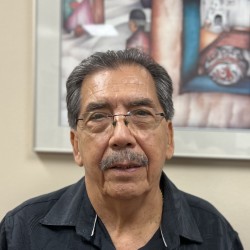
The most important thing I want my students to internalize the importance of becoming civic minded community members. To participate in the democratic process to protect the U.S. Constitution as well as human rights that are protected under the Universal Declaration of Human Rights. Most importantly, we can create a better world for all human kind if we organize a united front whose priority is social justice.
In what ways do you see sociology benefiting students who may be in other majors?
Sociology is vital to all students, regardless of major because it is a liberal area of study. Here students examine social problems in depth with a scientific base. Hopefully, students are transformed into better human beings that will serve society in a more positive manner.
What would you want to say to a student who is interested in research or mentorship from you?
Students who are interested in research need to be advised that sociological research requires rigorous study and dedication. A student must select a area of study that motivates him or her and "run away with it". First, an extensive literature review of all scholarly material must be conducted in his area of study so that the student is grounded and gains scholarly direction. From there, the student can agree or disagree with the previous research or develop their own theoretical foundation. I hope this helps.